Photoelectrocatalysis, magnetocatalysis and mechanocatalysis
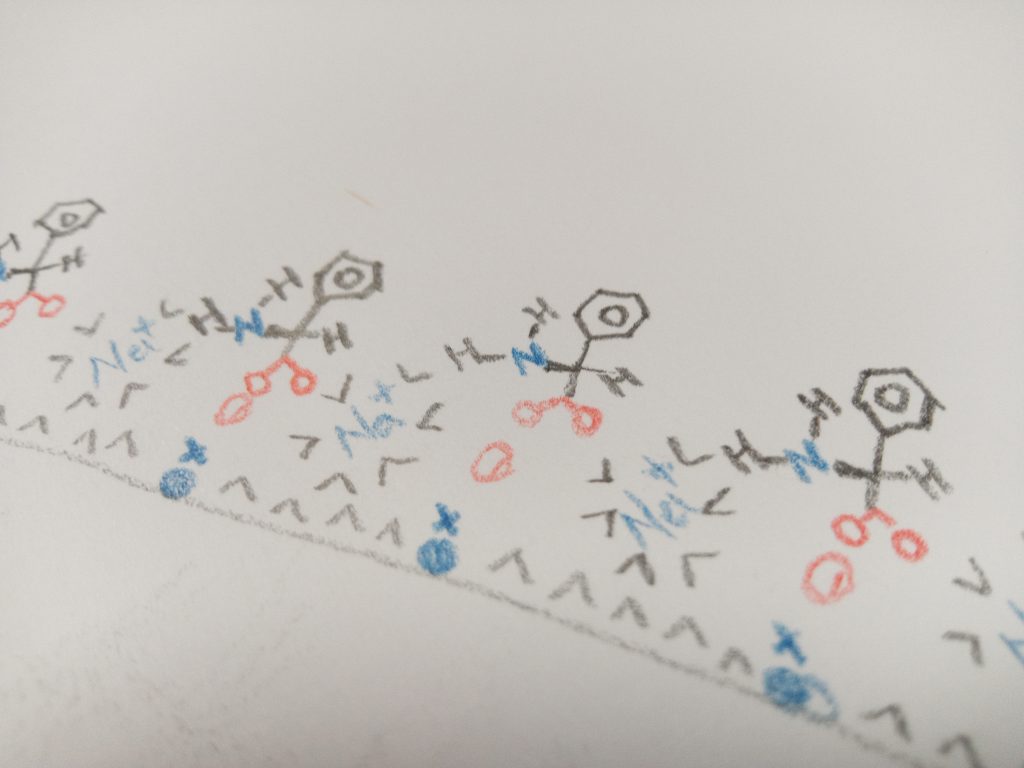
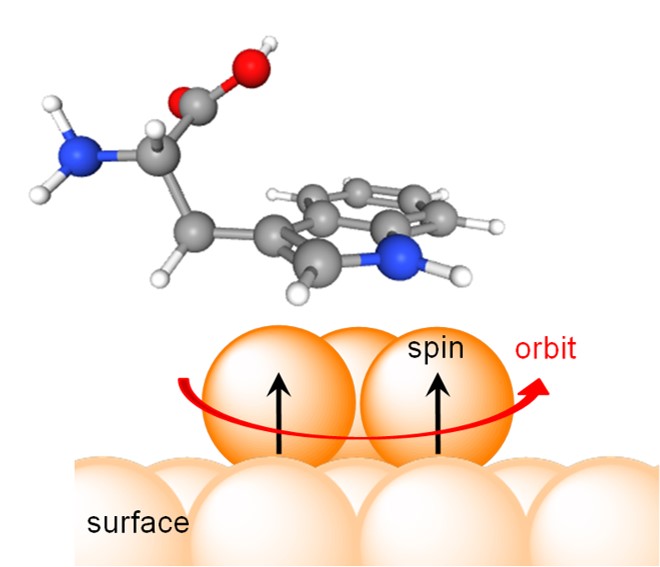
We are interested in using the chemical and physical properties of the surface of two-dimensional materials (graphene, transition metal dichalcogenides, graphitic carbon nitrides, etc.) and of the surface of nanocrystals (metals, semiconductors, or perovskites, etc.) to modify chemical reactivity. In particular, we study by experiment the electronic and magnetic properties of adatom-surface interfaces in order to explore how those interfaces modify the interaction with adsorbate molecules of different handedness (magnetocatalysis). We will investigate the effect of magnetocatalysis under irradiation of light toward applications for asymmetric photocatalytic reaction (photoelectrocatalysis). We also study the effect of collisional forces between charged nanocrystals on chemical reactivity in a liquid phase (mechanocatalysis by which most of the enzymatic activities take place).
Current research focus
- Orbital plasmons of noble metal nanocrystals enhanced or quenched by external dopants
- Orbital plasmon-induced asymmetric catalytic reactions
- Orbital magnetic moments around metal adatoms adsorbed on a metal surface
- Magnetic exchange interactions between magnetic adatom and chiral molecule
- Persistent magnetic moments of metal adatoms adsorbed on a metal surface and 2D materials
- Interparticle electrostatic and mechanical forces as a means of facilitating chemical reactions
Funded by TÜBİTAK-ARDEB
Past projects
- Interparticle electrostatic and mechanical forces as a means of facilitating chemical reactions
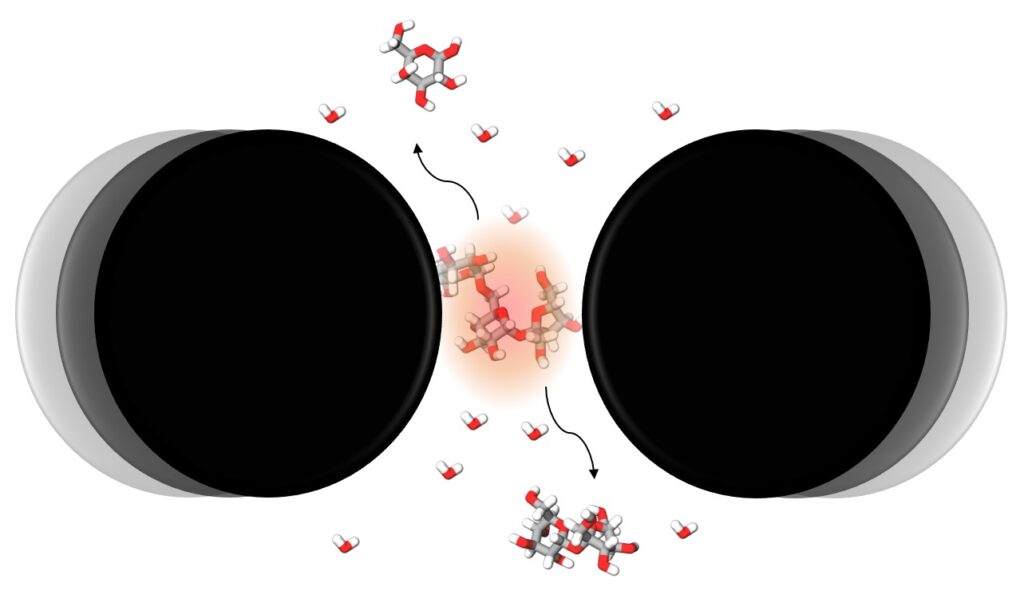
Chemical bond breakage of a raffinose molecule jammed at the contact region of bicolloidal collision